Hey there, crafty friends! Get ready to dive into a world of cozy stitches and back-to-school cheer with our brand new collection of Back to School Pencil Cases Free Crochet Patterns!
Imagine bright, colorful pencil cases, lovingly handmade with your own two hands, ready to hold all those essential pens, pencils, and maybe even a special lucky charm for the first day of school. These patterns are designed to be super fun and incredibly rewarding, perfect for both seasoned crocheters and those just starting their yarn adventures. They make fantastic, personalized gifts for your favorite students or can even add a splash of handmade charm to your home desk.
In this article, we’ll guide you through each step with clear instructions, helping you master simple stitches and easy construction techniques. You’ll learn how to create these adorable cases that are as practical as they are pretty. So grab your hook and yarn, and let’s get crocheting!
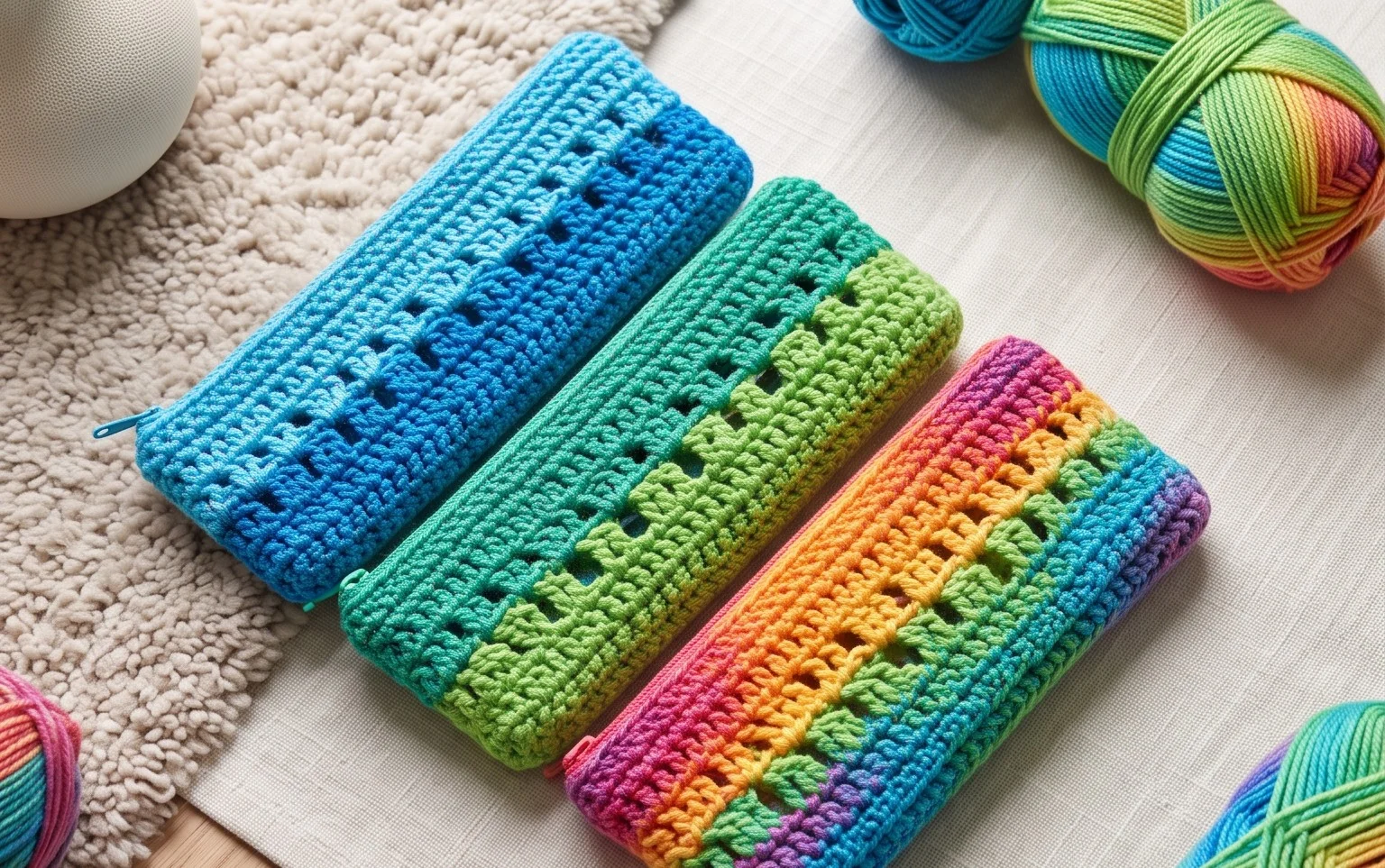
Sharpen Your Skills with These Fun “Back to School” Pencil Cases!
The scent of fresh notebooks, the crisp rustle of new pages, and the promise of learning – there’s something magical about the back-to-school season! And what better way to embrace the academic spirit than with a handmade, personalized pencil case? Whether you’re a seasoned crocheter looking for a quick and satisfying project, or a curious beginner eager to dip your toes into the wonderful world of yarn, these “Back to School” Pencil Case Free Crochet Patterns from DIY Magazine are the perfect place to start. They’re not just practical for holding pencils, pens, markers, or even makeup brushes; they’re a fantastic canvas for creativity and a thoughtful gift for students of all ages. Let’s dive into what makes these patterns so special and how you can make them your own!
Gathering Your Supplies: Yarn and Hook Harmony
The beauty of crochet is its versatility, and these pencil cases are no exception. You can achieve different looks and feels depending on your yarn and hook choices.
Yarn Recommendations:
For these pencil cases, we want something durable, washable, and that holds its shape well.
Worsted Weight Cotton: This is a fantastic all-rounder. Cotton yarn is strong, breathable, and gets softer with every wash, making it ideal for items that will be handled frequently. Brands like Lily Sugar ‘n Cream, Bernat Handicrafter, or Lion Brand 24/7 Cotton are excellent choices. They come in a vibrant spectrum of colors, perfect for creating cheerful school supplies.
DK Weight Cotton or Cotton Blends: If you prefer a slightly lighter and more delicate feel, a DK weight yarn is a great option. Look for blends that incorporate acrylic for added durability and ease of care.
Worsted Weight Acrylic: While cotton is often preferred for its natural properties, a good quality acrylic yarn can also work well. It’s generally more budget-friendly and comes in an astonishing array of colors. Just ensure it’s not too splitty, which can be frustrating for beginners. Brands like Red Heart Super Saver or Caron Simply Soft are widely available.
Hook Recommendations:
The hook size is crucial for achieving the correct gauge and creating a firm fabric that won’t have large gaps.
For Worsted Weight Yarn: Typically, a 4.5mm (US 7) or 5.0mm (US H-8) crochet hook is recommended. The pattern will usually specify a recommended size, but it’s always a good idea to make a small swatch to check your tension. If your stitches are too tight and you’re struggling to work the yarn, go up a hook size. If your fabric feels too loose and has large holes, try a smaller hook.
For DK Weight Yarn: You’ll likely need a smaller hook, often in the range of 3.5mm (US E-4) to 4.0mm (US G-6).
Pro Tip: Always check the yarn label for its recommended hook size, but remember that personal tension can vary significantly. Experimenting with a small swatch is your best friend!
Mastering the Stitches: Building Blocks of Your Creation
These pencil case patterns are designed to be accessible, often utilizing foundational crochet stitches that are easy to learn and work up quickly.
Key Stitch Techniques You’ll Encounter:
Chain (ch): The starting point for most crochet projects, creating a foundation row of loops.
Single Crochet (sc): A basic, dense stitch that creates a sturdy fabric. It’s the workhorse of many amigurumi and accessory projects.
Half Double Crochet (hdc): Taller than a single crochet, it creates a slightly more relaxed fabric and works up a bit faster.
Double Crochet (dc): Even taller than hdc, this stitch creates a more open and drapey fabric.
Slip Stitch (sl st): Used for joining rounds, finishing edges, or creating decorative textures.
Working in Rows vs. Rounds: Some patterns might be worked back and forth in rows to create a flat panel that is then seamed, while others might be worked in continuous rounds, creating a seamless tube.
Increasing (inc): Adding stitches within a row or round to increase the fabric width or create shaping.
Decreasing (dec): Combining stitches to reduce the number of stitches, often used for shaping or closing off openings.
For beginners, focusing on mastering the chain and single crochet is a great first step. Most of these pencil case patterns will likely rely heavily on these fundamental stitches, making them perfect for practicing.
Tips for the Ambitious Beginner: Crocheting with Confidence
Feeling a little nervous about starting? Don’t be! These patterns are designed with you in mind. Here are some tips to make your journey smooth and enjoyable:
Start with a Light-Colored Yarn: It’s much easier to see your stitches when you’re learning, especially with darker colors.
Use a Stitch Marker: Mark the beginning of each round (if working in the round) or the first stitch of a row to keep track of where you are. This prevents you from accidentally adding or skipping stitches.
Count Your Stitches Regularly: This is the golden rule of crochet! After each row or a few rounds, take a moment to count your stitches. It’s much easier to frog (undo) a few stitches than a whole project.
Don’t Pull Your Yarn Too Tightly: This is a common beginner mistake. It makes it difficult to insert your hook into the stitches in subsequent rows. Relax your grip!
Watch Video Tutorials: Sometimes seeing a stitch or technique demonstrated is the clearest way to learn. Search for tutorials on the specific stitches mentioned in the pattern.
Practice Makes Perfect: Your first pencil case might not be “perfect,” and that’s okay! The more you crochet, the more consistent your tension will become, and the more confident you’ll feel. Embrace the learning process!
Unleash Your Inner Artist: Customizing Your Pencil Case
The real magic of these free patterns lies in their potential for personalization. Get ready to let your creativity shine!
Color Play:
Solid Colors: Stick to one vibrant color for a classic and bold look.
Stripes: Alternate colors every few rows for a fun, retro vibe. This is also a great way to use up scrap yarn!
Color Blocking: Use different colors for the main body, the flap, or the trim.
Ombre Effect: If you have yarn that transitions through colors, use it for a beautiful gradient effect.
Size Matters: Adjusting for Your Needs
Most patterns are written to a specific size, but adjusting is often straightforward.
Making it Wider: If the pattern is worked in rows, simply add more stitches to your starting chain. If it’s worked in the round, you might need to add increases in the initial rounds.
Making it Longer: Continue working more rows or rounds of the main body pattern until you reach your desired length before starting the closure or flap.
Making it Narrower: Reduce the number of stitches in your starting chain (if worked in rows) or adjust the initial increase rounds (if worked in the round).
Making it Shorter: Simply work fewer rows or rounds for the main body.
Important Note: When adjusting size, always keep an eye on your stitch count to maintain the integrity of the pattern’s structure.
Keeping Your Creations Beautiful: Care Instructions
To ensure your handmade pencil case lasts through many school years, proper care is essential.
Washing: Most cotton or cotton-blend pencil cases can be machine washed on a gentle cycle with cold or lukewarm water. If using acrylic, follow the yarn manufacturer’s recommendations.
Detergent: Use a mild detergent. Avoid harsh chemicals or bleach, as these can damage the fibers and fade colors.
Drying: The best way to dry your pencil case is to lay it flat on a clean towel, reshaping it gently. Avoid putting it in the dryer, as high heat can cause shrinkage or damage.
Spot Cleaning: For small spills or marks, gently spot clean with a damp cloth and a tiny bit of mild soap.
Beyond the Pencil: Inspiring Project Ideas
While designed as pencil cases, these versatile patterns can be adapted for so many other uses!
Makeup Brush Roll: Leave the closure open and add loops for brushes, then roll it up.
Coin Purse: Add a zipper or a button closure for a small, handy purse.
Crochet Hook/Knitting Needle Case: Adjust the width and length to accommodate your tools.
Small Clutch: Use a more decorative yarn or add embellishments for a stylish evening bag.
Craft Supply Organizer: Perfect for storing crochet hooks, notions, or even small tools.
Sunglass Case: Make it slightly larger and sturdier for protecting your eyewear.
These “Back to School” Pencil Case Free Crochet Patterns offer a delightful blend of practicality and creativity. So grab your hook, pick your favorite yarn, and get ready to crochet your way into the new school year with a handmade touch that’s both stylish and functional! Happy crocheting!
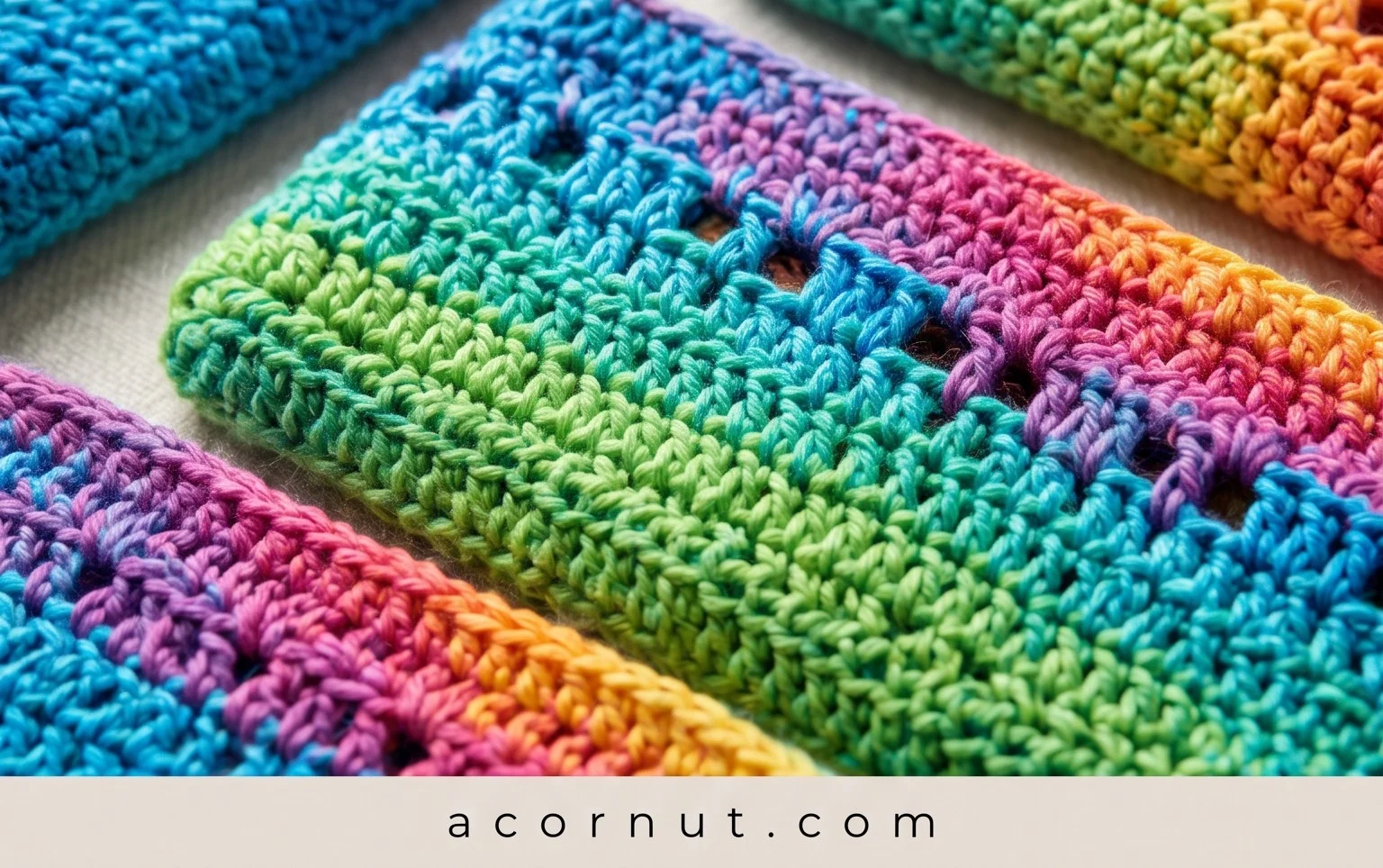
So there you have it! We hope these free crochet pencil case patterns have sparked your creativity and get you excited to craft something special for the upcoming school year. These projects are wonderfully quick and satisfying, perfect for beginners and experienced crocheters alike. Don’t forget to share your amazing finished creations with us on social media using #CrochetPencilCase – we can’t wait to see your unique designs!
Feel free to experiment with different yarn colors, add embellishments like buttons or embroidery, or even adjust the size to suit different stationery needs. And when you’re ready for your next crochet adventure, be sure to explore more of our inspiring DIY Magazine patterns. Happy crocheting!